Fishing Game Guide for Bengali Readers
A practical guide to fishing games: controls, targets, spending limits and probability-aware play.
This is a general fishing-game guide. The supplied bwina information does not confirm that a fishing title is offered on an external website, so this article does not make that claim. In a typical fishing game, players aim at moving sea creatures, spend in-game credits or shots, and receive outcomes according to the game’s rules.
Before playing any title, check its displayed rules, shot cost, target values and any stated probability or return information. A larger target is not automatically better: it may require more shots and may have a lower chance of being hit. Treat every result as uncertain and never view play as an income method.

- Track targets before firing
- Compare shot cost and value
- Use a fixed spending limit
General illustration of fishing-game controls; not a verified bwina screenshot.
How fishing games generally work
Targets and values
Fishing games commonly show targets with different values, movement patterns and difficulty levels. The exact creatures, values and rules vary by title, so rely on the in-game information rather than assumed numbers.
Aim and weapon controls
Common controls include pointing with a mouse or touch screen and selecting a shot strength or weapon. Stronger shots can consume more credits; confirm the cost before firing and avoid automatic-fire settings unless you understand their spending rate.
Rewards and uncertainty
A target’s displayed value is not a promise of success. Outcomes can depend on the game’s programmed rules, target difficulty and chance. Do not treat a jackpot label, multiplier or special target as a guaranteed result.
Solo and shared modes
Some fishing games may offer solo rooms or shared screens. If other players are present, their activity does not improve your probability. Keep personal spending separate from competition, rankings or chat pressure.
Fairness information should be checked in the individual game’s rules. Look for the operator or supplier name, testing information, dispute route and any published probability details; do not rely on broad claims such as “fair” or “high payout” alone.
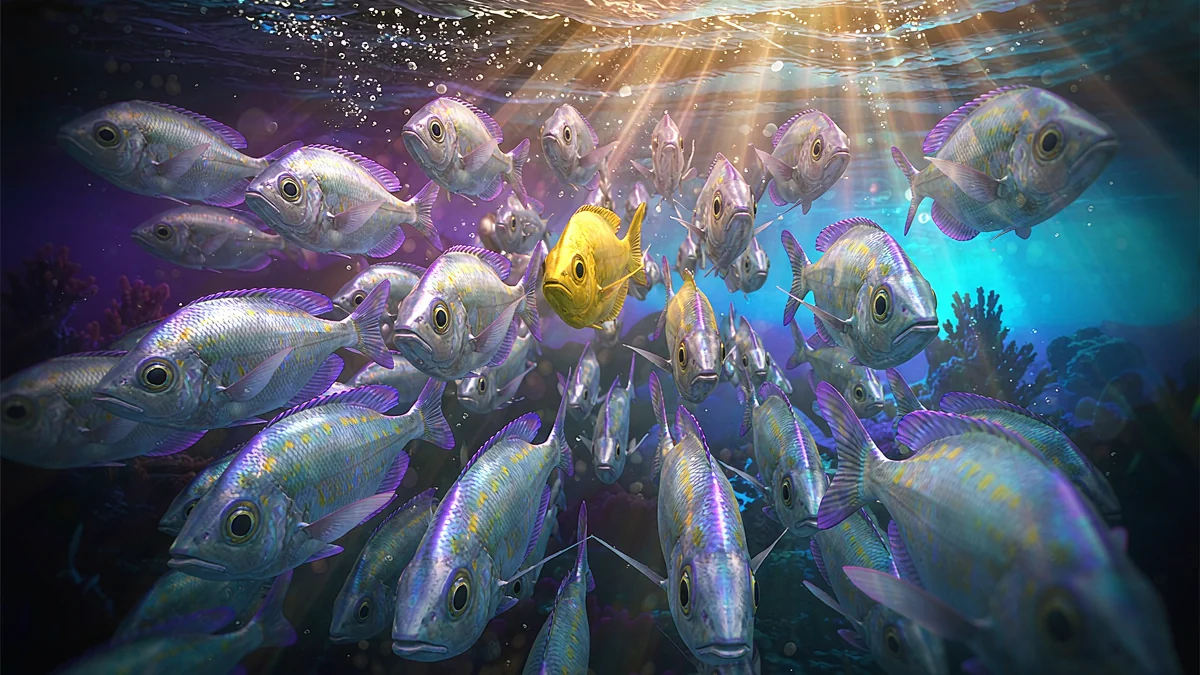
- Read target rules
- Expect uncertain results
- Avoid chasing losses
General educational illustration of target selection; no exact values are asserted.
How to approach a fishing game
Start by reading the control panel, target table and cost per shot. If a title has practice or free-play mode, use it to learn the interface without assuming that practice results predict paid play. Set a time and spending limit before starting.
Use the pointer or touch control to track a target, then check the shot cost before firing. Record the credits used and the result if you are comparing sessions. Stop when the planned limit is reached, whether the session is ahead or behind.
Choose a target
Compare movement, difficulty and shot cost rather than chasing the largest visible target. A target that looks valuable may consume many unsuccessful shots.
Manage your budget
Use only an amount you can afford to lose, divide it into small sessions and do not increase the stake to recover losses. Keep a separate record of time and credits spent.
Use special features carefully
Bombs, multipliers, auto-fire and other features can change the spending rate. Read their cost and duration first, and disable them if they make it harder to follow your limit.
Events, tournaments and limited-time features can increase pressure to continue. Check the entry cost, scoring rule, end time and prize conditions before joining. A leaderboard position is not evidence of better odds.

- Set a time limit
- Divide spending into sessions
- Stop at the limit
General illustration of budgeting and record-keeping, not a statement about bwina account data.
Practical tips for safer play
- Compare cost and value: Do not assume that small targets are always efficient; compare their cost and stated value.
- Respect the time limit: Wait for a target only if waiting does not extend the session beyond your time limit.
- Check feature costs: Use a special feature only after checking its cost and effect.
- Pause when needed: Do not fire repeatedly out of frustration; pause and review your remaining limit.
- Avoid loss chasing: Do not upgrade a weapon or stake merely because earlier shots missed.
Features to check in a fishing game
Mobile compatibility, auto-fire, chat, shared rooms and visual effects vary by title. Before using any feature, check whether it changes cost, speed or access to the game. If play feels difficult to control, stop and use responsible-play tools such as deposit limits or self-exclusion where available.
Fishing games typically use underwater visuals, moving targets and sound effects to create an arcade-style experience. Before playing, check the game rules, controls, target values and any ammunition or stake costs. There is no confirmed information that bwina offers this specific fishing game, so treat this as a general guide rather than a description of a bwina feature.
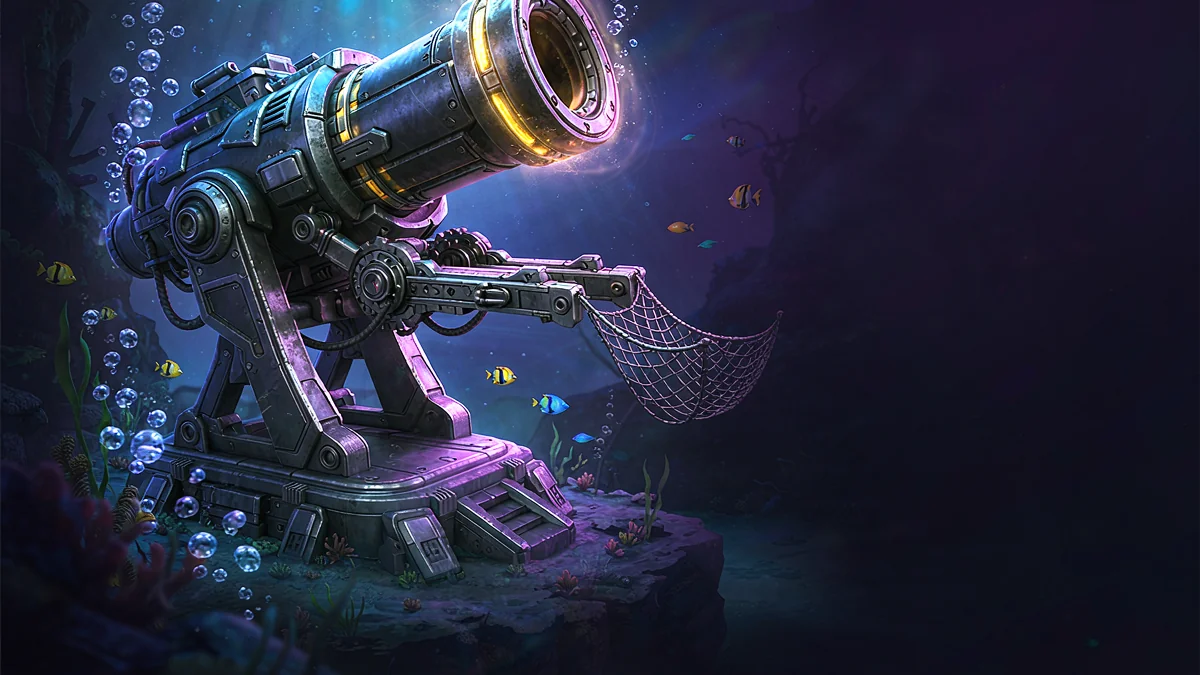
- Review feature costs
- Check mobile controls
- Pause if control is difficult
General illustration of game features; not a verified interface or title-specific screenshot.
Fishing games may include different weapons, target types, rooms or play modes, but features vary by title. Set a time and spending limit before a session, track your results, and remember that aiming well does not remove the element of chance. Do not assume that a welcome bonus, free coins, VIP programme or special tournament applies unless the operator states it in the current terms.
No evidence here confirms that bwina offers a fishing game. For any fishing-game site, check the published rules, prize mechanics, operator details, and age limits before playing. Use secure connections, protect payment information, and treat outcomes as chance rather than income.
Fishing game guide: rules, controls and safer play
Learn how fishing games work, how aiming and ammunition typically affect results, and why each round remains uncertain.
Registration guideA fishing game usually combines aiming, timing and resource management. Before starting, review the controls and any published probability or reward information. Set a time and spending limit, never chase losses, and stop if play no longer feels like entertainment. This page does not operate a fishing game, provide registration, or process payments.